

During our recent assessment in Nigeria, DataDENT and our local partner NAHI found significant variability across the 14 Ministries, Departments and Agencies (MDAs) included in Nigeria’s National Multisectoral Food and Nutrition Action Plan (NMPFAN) in whether and how they generate and use nutrition-related data. Some sectors routinely collect nutrition-related indicators while others reported not collecting or using any nutrition-related data. In this blog we present a snapshot of findings from four sectors (agriculture, education, WASH, industry & trade) and suggest where along the nutrition data value chain (DVC) to prioritize investment.

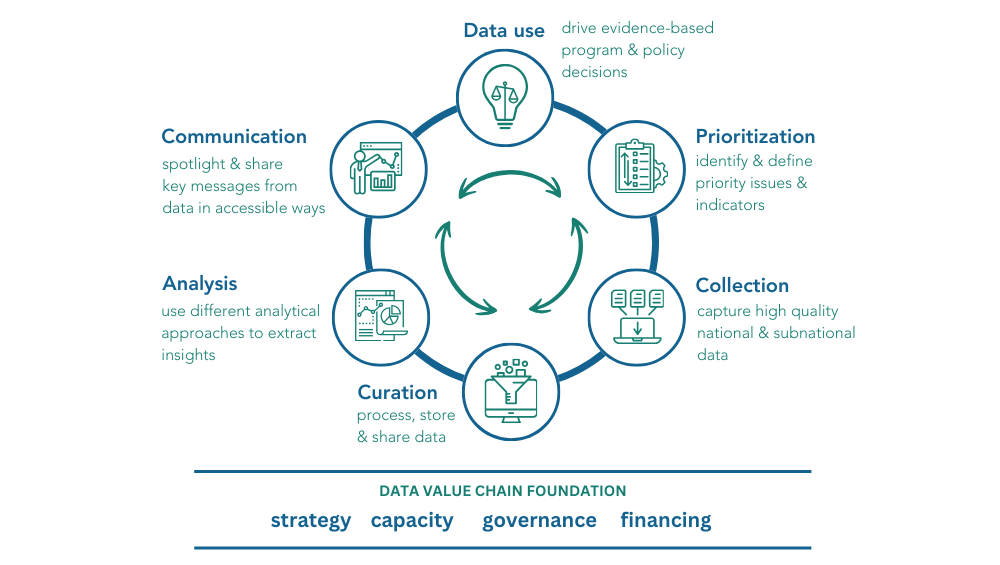
Image1. DataDENT Nutrition Data Value Chain (2025 version)


Where along the DVC to invest?


Data are still needed on the reach of nutrition-sensitive agriculture activities including production of biofortified crops, homestead gardens and small livestock, and post-harvest storage and food processing. Biofortified maize, cassava and orange-fleshed sweet potato can be added to the list of crops assessed in sector-related surveys. Monitoring homestead gardens and other nutrition-related inputs at local government authority (LGA)-level requires new routine data collection; the World Bank Accelerating Nutrition Results in Nigeria (ANRiN) project collected these data in at least one state and their experience can inform future efforts.


Where along the DVC to invest?
The MOE School Health Policy is currently being revised. Ideally, the updated document would specify the complementary nutrition activities across ministries and recommend indicators to include in the MOE’s primary data collection platforms – the National Education Management Information System (NEMIS) and the Annual School Census. However, more time is needed to clarify each MDA’s school-based activities and data needs. Involving multiple MDAs in delivery and monitoring is complex; data sharing between federal and state MDAs needs to be addressed as part of policy operationalization.

Where along the DVC to invest?

Rather than adding new indicators to these platforms, nutrition stakeholders can use existing data to identify where to co-locate nutrition and WASH interventions for maximum impact. For example, the NTDS-WASH Combined Indicator Dashboard which presents LGA-level soil-transmitted helminth infection endemicity and WASH coverage levels can be used to understand anemia risk factors and priority geographic areas for deworming activities.


Where along the DVC to invest?


Nutrition stakeholders working with the food industry need to bring data production and household-level coverage together in a timely way to monitor and improve programme quality. The Global Alliance for Improved Nutrition (GAIN) has partnered with government to develop the Digitally-enabled Fortification Quality Testing (DFQT+) platform for private sector to collect, share and use data on food fortification production, which should address part of the data needs. A strategic data framework can clarify stakeholder roles across the DVC and prioritize standard indicators to analyze and report to national coordination bodies.
Key learning for multisectoral DVC strengthening
As DataDENT and NAHI support the government of Nigeria in developing a multisector nutrition data strategic framework (MNDF), it is important to tailor recommendations to each sector’s nutrition DVC needs and priorities across administrative levels.
From the four sector snapshots, we can identify at least three factors that influence where along the DVC to invest: 1) how clear the sector or individual MDA is about their nutrition activities, 2) the type of activities implemented, and 3) the existing information systems and data sources used by the sector or MDA. Many activities involve multiple MDAs and it is not clear how data are to be shared or reported between them.
We are continuing to consult with sector stakeholders to ensure the MNDF will be fit for purpose. The government’s new Nutrition-774 initiative, focused on LGA-level nutrition implementation, raises the profile of subnational voices in these processes.
Follow DataDENT on LinkedIn to learn more – we expect the MNDF will be finalized and disseminated by the end of 2025.

