To combat multiple forms of malnutrition, countries are investing in multisectoral interventions delivered through health, agriculture, social protection, education, and food systems. However, the question of who is being reached by multisector interventions remains unanswered in many countries. Governments and partners need reliable comprehensive data on multi-sector intervention coverage that is collected in practical, affordable, and sustainable ways.
The One Nutrition Coverage Survey (ONCS), conducted in Bangladesh in 2025, provides useful lessons on how to “collect more with less.” The methods-focused survey collected detailed information about time and other costs for survey planning and implementation from both the survey team and the respondents. Overall, we found that efficiency does not necessarily require asking fewer survey questions, it is about better planning. clear prioritization and maintaining data quality by keeping the burden low on the respondents.
Investing in design and planning
Most of the ONCS team’s effort was in the design and planning stages rather than in conducting interviews in more than 3,528 households. Significant time was spent mapping interventions to national policies, deciding which target populations to include, designing the sampling approach and refining and testing questions. Across most of the 26 survey modules researchers reported higher levels of effort during the design phase than during implementation, with only a few exceptions (Figure 1). The early phases required strong technical preparation and coordination.
However, once data collection started, the burden for respondents was limited. Women who had given birth in the last two years answered the largest number of questions and their average interview duration was under an hour. More than 90% of respondents reported that the survey was not difficult or tiring. This shows that in focused surveys comprehensive measurement of multisector intervention coverage does not risk respondent fatigue.
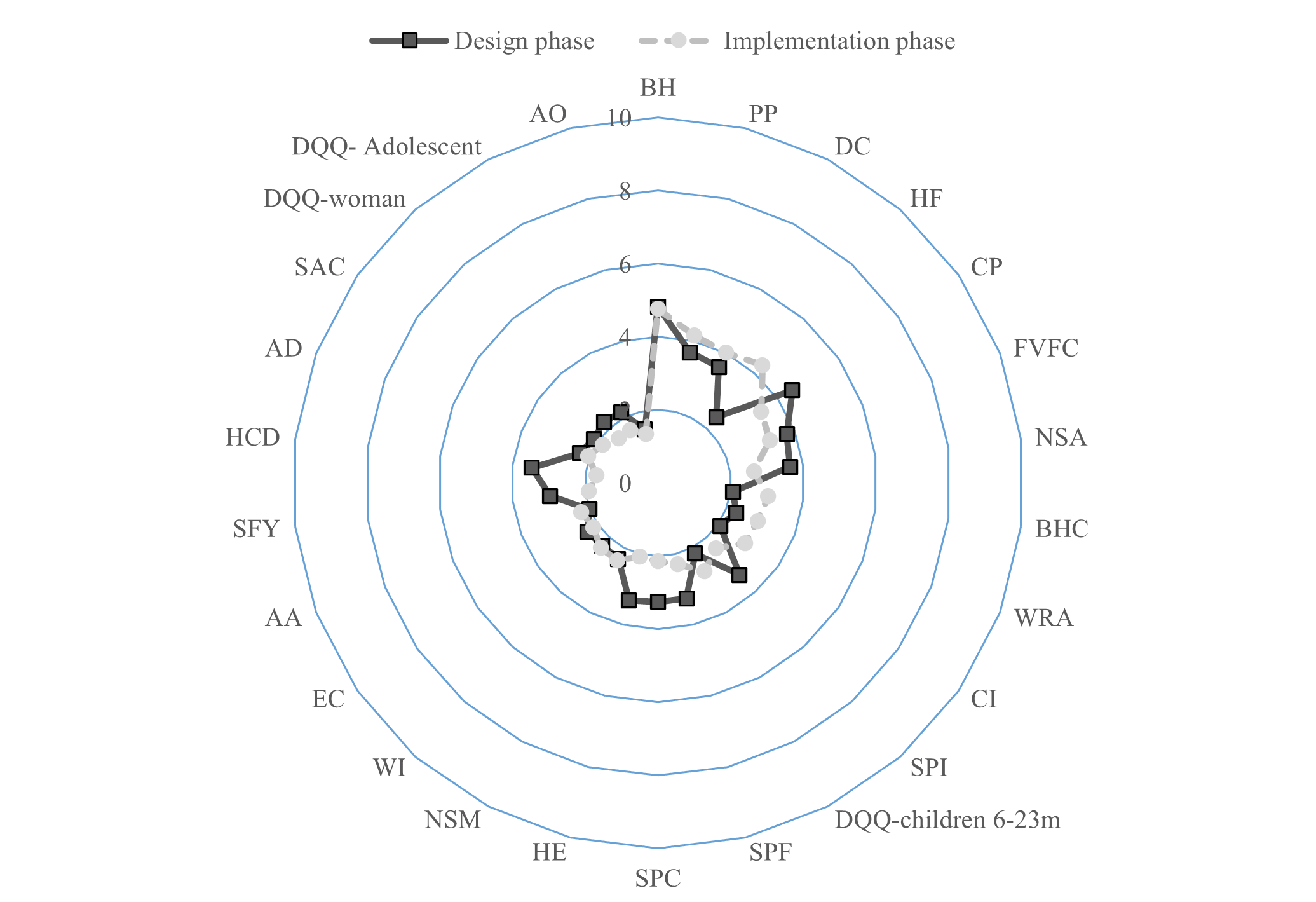
Figure 1. Perceived level of effort score for each ONCS questionnaire module (range 0-10)
HE=Household eligibility and consent; HCD=Household composition and demographics; AO=Asset ownership; AA=Access to amenities, financial services and groups; HF=Household food insecurity experience scale; NSA=Nutrition-sensitive agriculture program receipt; FVFC=Food vehicle fortification coverage; WI=Woman’s information; BHC=Barriers to health care; BH=Birth history; WRA=Women of Reproductive Age – General; CP=Current pregnancy interventions; PP=Antenatal care – previous pregnancy; DC=Delivery care and postnatal care; NSM=Nutrition support to mother; DQQ-woman=Diet Quality Questionnaire-Woman; SPC=Nutrition sensitive social protection programs – Cash transfer; SPF=Nutrition sensitive social protection programs – Food transfer; SPI=Nutrition sensitive social protection programs – In kind transfer; SFY=School Feeding; CI=Child Immunization, Children 0-23m; DQQ-children 6-23m=Diet quality questionnaire, Children 6-23m; EC=Early childhood 0-59m; SAC=School aged children 5-9y; AD=Adolescents 10-19y; DQQ-Adolescent=Diet quality questionnaire, Adolescent
Attention to sampling
The ONCS captured the full set of multisectoral nutrition interventions mapped to Bangladesh’s national policies. They target interventions to different life stages – women of reproductive age (10-49 years), currently pregnant women, recently delivered women, children (0–9 years), adolescents (10–19 years), and the entire household. This required clearly defining each target population and the associated respondent, structuring modules appropriately, and sequencing interviews efficiently.
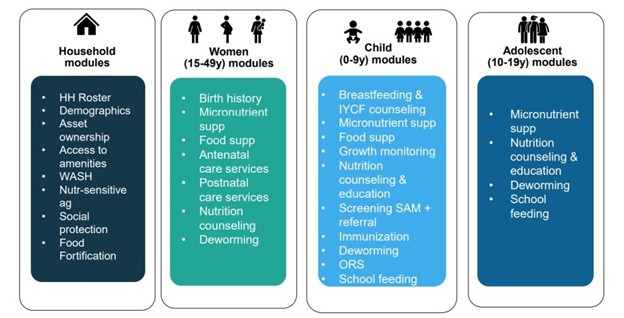
Figure 2. Overview of ONCS modules reflecting interventions targeted to different life stages
Sampling becomes especially important when surveys measure many interventions across diverse target populations. Some intervention target groups are relatively small, such as currently pregnant women and children who recently experienced illness. Oversampling of households may be needed to ensure sufficient sample size for these groups. If sampling is not designed properly, estimates will not be accurate and reliable.
Need for improved coverage measures
The number of nutrition interventions included in standardized household surveys (e.g. DHS, MICS) and national administrative data systems (e.g HMIS) has increased over the last decade. However, important gaps remain. It is challenging to measure coverage of some interventions including micronutrient supplements during pregnancy, wasting prevention interventions and nutrition-sensitive interventions. Recall across long periods such as pregnancy in the last two years tends to be inaccurate. Inconsistency in packaging and branding influences recall of micronutrient supplements and fortified staple foods. For nutrition sensitive social protection there is no simple, globally agreed-upon set of measures. Cross sectional surveys have limitations in estimating treatment coverage for severe acute malnutrition because it is challenging to identify who actually needed the intervention.
Considerations for other data collection methods
There are alternatives to face-to-face household interviews for collecting nutrition coverage data, but each comes with trade-offs. Mobile phone surveys can be faster and potentially less expensive, yet phone ownership and access are not universal. Women and poorer households may be excluded from mobile surveys, affecting representativeness. Administrative data systems provide more frequent data, especially from health facilities, but often miss services delivered at home or in the community. No single method works for every intervention. Decisions must weigh cost, time, data quality, equity, and feasibility.
Better coverage data helps governments and partners answer the most important question: who is being reached — and who is still being left behind?
Collecting more with less is not about shrinking surveys or cutting corners. It is about investing in strong design and planning, prioritizing interventions and populations carefully, ensuring rigorous sampling, strengthening measurement standards, and considering the trade-offs of different data collection approaches.